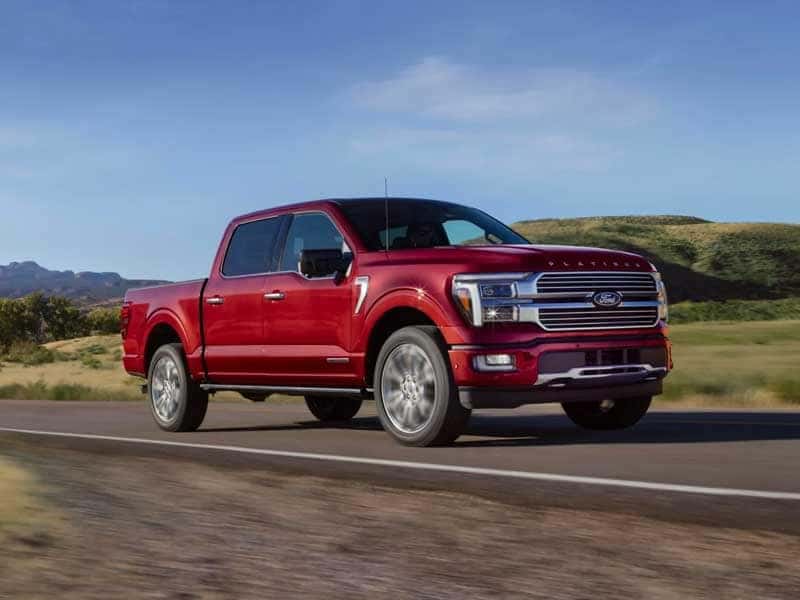
In Arlington, Texas, a truck often has a full day ahead of it before breakfast is over. You might head to work, pick up supplies, sit in traffic for a bit, then cross town again later for family plans. That kind of routine adds up fast in an F-150. If you are trying to keep your pickup ready for the next week, not just the next drive, oil service deserves your attention.
If you’re wondering how often you should change the oil in an F-150, Ennis Ford helps you sort through the real answer, not the lazy one, so you can take better care of a truck built for daily work in North Texas.
Ford’s official scheduled maintenance guidance says you should not go past one year or 10,000 miles between service intervals on applicable F-150 schedules, and the truck’s Intelligent Oil Life Monitor should be reset after each oil and filter change. Ford also explains that the monitor calculates service intervals based on how you use the truck, your driving conditions, and the time since the last oil change.
That means your real answer may come sooner. If your F-150 spends time idling on job sites, towing, hauling, taking short trips, or sitting in slow traffic around Dallas or Fort Worth, the truck may call for service sooner than the full interval. Ford even notes that in heavier use, the reminder may come up around 7 months and 4,000 miles.
So the smartest move is simple. Check the oil life monitor, know your driving habits, and treat the owner guidance as your ceiling, not your default. For many truck owners, that means paying closer attention during hot Texas months, towing season, and long stretches of stop-and-go driving. If you use your pickup as a real truck, not a weekend prop, earlier service can make good sense.
Fresh oil helps your engine do its job without extra wear. It lubricates moving parts, carries heat away from key areas, and helps reduce the grime that builds up over time. When oil gets old, it loses some of that protective ability. You may not feel the damage in one afternoon, but engine wear happens a little at a time. This is why small maintenance jobs matter.
A timely oil change can also help your truck feel smoother in daily use. Cold starts can feel cleaner. The engine can sound calmer. And if your week includes commuting, hauling gear, or pulling a trailer, that extra protection matters.
Did you know? According to Car and Driver, the 2025 Ford F-150 earned a spot on its Editors’ Choice list, which supports the truck’s long-standing reputation as a strong full-size pickup.* That matters here because good trucks deserve good maintenance. If you buy into the F-150 name for its capability, you should take care of the engine that delivers it.
Routine service feels a lot easier when the service team can come to you. Mobile Service can handle oil and filter changes, brake service, battery service, tire rotations, recalls, and other routine work to help keep your F-150 in good shape. If your truck is due for attention but your day is already full, you may be able to get that work done at home or at another approved location.
Setting it up can be simple. You can contact the service team to schedule an appointment, and some drivers may also be able to use the FordPass® App. Availability can depend on location, distance, and the type of work your truck needs, so it helps to confirm the details in advance. For busy F-150 owners, it is a practical way to get Ford-trained service at a location that fits your routine.
You should follow your truck’s oil life monitor and the schedule in the owner's guide. For many F-150 drivers, that means no later than one year or 10,000 miles, though some trucks will need service sooner. If you tow, idle a lot, take short trips, or spend a lot of time in traffic, your oil may wear out faster.
You can use the monitor as your guide, but your driving habits still matter. If your truck works hard in Texas heat, carries heavy loads, or spends time in dusty conditions, earlier service can be the better call. The monitor is smart, but paying attention to your real routine is smart too.
Old oil protects less effectively. That can lead to added friction, extra wear, heat buildup, and a greater chance of engine trouble over time. Keeping up with oil service is one of the simpler ways to protect the truck you rely on every week.
If you came here looking for a straight answer on how often to change the oil in an F-150, the answer is this. Use the truck’s monitor, know how you drive, and do not wait too long just because the pickup still feels fine. When you need help, Ennis Ford serves Ennis, Dallas, and Fort Worth, TX, with practical support for truck maintenance. Contact us to book your service appointment.
*Source: Car and Driver.